

Safety Strategies for Truck Loading and Unloading Operations





Most of the truck drivers we provide technical support to on the roads of Germany face specific challenges during the transportation, loading, and unloading of goods. We have collected the most common issues and would like to discuss them in this post.
Common Truck Loading and Unloading Hazards
Loading and unloading trucks present several risks to both the transported goods and worker safety:
- A common hazard is inadequately secured loads that can shift or fall during loading or unloading, leading to accidents and damaged goods.
- Incorrect load distribution can also cause vehicle instability, posing a significant safety risk.
- Use of inappropriate or defective equipment, such as forklifts or pallet trucks. Regular safety checks, particularly when using forklifts, should be conducted to prevent accidents.
- Human error, often resulting from poor communication and inadequate training, is another risk factor. It is crucial that employees adhere to an operating manual for loading and unloading trucks to ensure safety.
Measures to Minimize Risks During Vehicle Loading and Unloading
Compliance with safety measures during the loading and unloading of vehicles is crucial to prevent injuries and accidents. It is necessary to strictly follow the instructions and use the appropriate equipment to ensure the safety of all involved. Therefore, we will take a closer look at which risk factors can occur and must be taken into account:
- Risk Assessment: Conduct a comprehensive risk assessment before loading or unloading to identify potential hazards, such as unsecured loads, inadequate personal protective equipment (PPE), or the use of unsuitable equipment. Special consideration should be given to the risks of unloading a truck without a ramp, which must be addressed in the assessment.
- Safety Precautions: All employees must wear the appropriate PPE, including helmets, gloves, and safety shoes. Load securing devices such as straps, nets, and non-slip mats must be used to prevent shifting. Extra caution is required when side loading a truck to ensure load stability.
- Responsibilities and Communication: Clearly define responsibilities for each part of the loading and unloading process. The carrier is primarily responsible for load securing, but shippers and consignees should assist if previously agreed upon. Regular employee training is crucial to raise safety awareness and stay updated on current regulations.
- Use of Technical Aids: Technical aids, such as forklifts, pallet trucks, and tail lifts, should be used to make the loading and unloading process safer and more efficient. These tools are especially important to ensure proper load distribution. Regular maintenance and inspections of the equipment are essential to prevent accidents caused by malfunctions.
- Workplace Safety and Organization: Ensure the loading area is well-lit and free of obstacles. Emergency exits and escape routes must always be accessible. A clean and organized workplace helps prevent accidents and ensures smooth operations. Additionally, always observe the truck's maximum load capacity to avoid overloading.
- Control Measures: Regular checks on load securing during transport are necessary. Control measures should verify that safety precautions are followed and allow for immediate corrective actions if any violations occur.
When using automated systems for truck unloading, it is particularly important that all personnel follow the operating instructions and take the necessary safety precautions. By adhering to these practices and using the proper equipment, the risks associated with vehicle loading and unloading can be minimized.
Most Common Challenges and Solutions for Carriers
Delayed Delivery
- What is the problem?
The driver may deliver goods several days later than agreed, leading the customer to claim compensation for the delay. - Who is at fault?
According to the law, the carrier is responsible and must pay a contractual penalty of 9% of the goods' value for every 24-hour delay. It’s crucial that delivery deadlines are clearly set and recorded in the order from the beginning. If the customer incurs losses due to the late delivery, the carrier is liable for the penalty. - What should be done?
Early route planning is essential to minimize delays. Clear work instructions for truck loading and unloading should be in place to streamline processes. If delays occur due to technical difficulties, such as improper equipment or unloading capacity constraints, immediate action should be taken to mitigate the impact.
Loss of Freight
- What is the problem?
Some carriers report freight theft during transit, often occurring in parking lots. Additionally, accidents or vehicle fires can result in partial or total damage to the cargo. For example, thieves might slash tarps or directly attack the driver. - Who is liable for this?
The carrier is legally responsible for the freight from the moment it is loaded until it is delivered to the recipient. If the freight is lost, the carrier must reimburse the client for the value of the goods and transportation costs. If the damage is caused by a natural disaster, such as a lightning strike that burns the load, the insurance company is not obligated to compensate for the loss unless it's proven that the disaster was the cause, which requires a fire report. - What should be done?
Freight should be insured against accidents and theft. Regular inspections of load securing are also essential to minimize risks. In more complex loading scenarios, such as side or automated truck loading, a detailed risk assessment should be conducted to identify potential hazards early on.
Damage to Cargo
- What’s the problem?
Various incidents can occur on the road, leading to cargo damage beyond the driver’s control. Improper unloading using forklifts or the absence of a truck ramp can also cause damage. Examples include liquid leaks due to vibrations or the crushing of fragile goods. In some cases, the recipient may refuse to accept the damaged goods upon arrival. - Who is to blame?
By law, the carrier is responsible for safely loading, transporting, and ensuring that the vehicle is fit for the journey and that transport conditions meet the required standards. If the cargo is damaged, the carrier must compensate the customer for the value of the goods and transportation costs. - What can be done?
The carrier should carefully inspect the cargo during loading and record any damage or irregularities on the consignment note. Clear instructions for proper loading and unloading should also be followed to ensure the cargo is securely fastened and transported safely.
It’s also crucial that drivers understand that the sender is responsible for poorly packaged cargo. If the customer sends goods requiring special packaging but fails to do so, they are not entitled to compensation if the goods are damaged during transport. However, if the carrier was responsible for the packaging, they assume liability.
Carrier's Liability During Truck Loading and Unloading
In the matter of allocating responsibility for loading and unloading goods, the main regulatory tool is the contract between the sender, the recipient, and the carrier. By default, the carrier is responsible solely for the transportation of the goods. This means that the primary task of the driver and the vehicle is to safely deliver the goods from point A to point B, complying with all traffic rules. At the same time, the loading and unloading tasks usually fall to the sender and the recipient respectively:
- The sender is obligated to intelligently and safely pack and secure the cargo in the vehicle to prevent its damage and ensure road safety;
- The recipient is responsible for unloading the goods upon delivery.
However, there are conditions under which the carrier may also provide loading and unloading services. Such services are negotiated separately and can be included in the contract as additional options. This can be advantageous in cases where special equipment or qualified personnel are required to handle certain types of cargo. Nonetheless, this practice is not widespread due to the high costs and logistical complexities associated with providing such services at every stage of transportation. In a standard situation, the carrier's driver only needs to ensure that the vehicle is ready for the trip and to monitor its condition during transportation.
Typically, the driver's duties end after the goods are delivered to the specified location, and further responsibility for the cargo transitions to the recipient. It is important that all parties clearly understand their duties and rights, which must be explicitly stated in the contract. This approach helps avoid misunderstandings and conflicts related to the transportation and handling of goods.

Useful info updates via Telegram Subscribe to the Telegram Bot and get:
- Current news about the traffic situation in Germany
- Emergency help for your truck - just send HELP to the bot
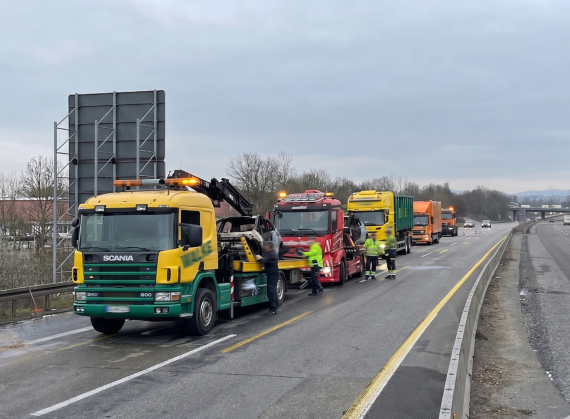 Truck Breakdown and Heavy Recovery in Germany: How Fleet Managers Can Control Towing, Recovery and Costs
 A truck breakdown in Germany is rarely just a technical problem. For fleet managers and dispatchers, it immediately creates a…
Read more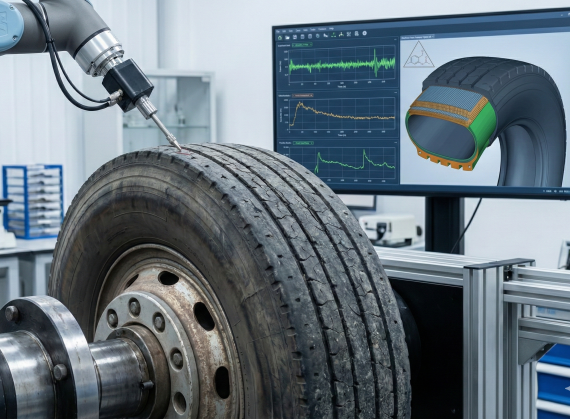 Thermodynamics and tribology of tyre aging: mechanisms of heat generation and structural degradation
 1. Introduction: the tyre as a thermodynamic systemA pneumatic tyre is a sophisticated composite structure designed to operate under extreme…
Read more Truck vs Passenger Tyres: Structural Differences, Production Logic, and Regulatory Framework
 Physico-Chemical Foundation: the process mechanismthe operation of any pneumatic tyre is based on the phenomenon of hysteresis, which is a…
Read more