

Truck tolls for vehicles over 3.5 tons: costs, exemptions, and payment





Starting from July 1, 2024, Germany will introduce a new truck toll system for vehicles weighing over 3.5 tons. This measure aims to finance road infrastructure, support decarbonization, and encourage the use of more environmentally friendly vehicles. Truck tolls for such vehicles have long been implemented in many European countries, and by adopting this system, Germany completes its transition to a more sustainable framework. As commercial transportation significantly contributes to CO₂ emissions, this regulation plays a key role in reducing environmental impact. It’s important to note that most motorhomes are exempt from the toll, with only a small portion of camping vehicles subject to the new rules.
Vehicles subject to mandatory toll payment
From July 1, 2024, Germany will require mandatory toll payments for vehicles weighing over 3.5 tons. This new requirement covers a wide range of vehicles used in road transport. The main categories of vehicles subject to this rule include:
- Trucks and commercial vehicles: All vehicles exceeding 3.5 tons in weight are required to pay the toll. This applies to both heavy trucks used for long-distance transportation and large vans used for local and regional deliveries.
- Tractor units: Tractor units with semi-trailers are also subject to the toll if their combined weight exceeds 3.5 tons. These vehicles are widely used for both international and domestic freight transport.
- Dump trucks and semi-trailer dump trucks: Vehicles used to transport bulk materials such as sand, gravel, or soil must pay the toll if their weight exceeds 3.5 tons.
- Tankers: Tanker trucks carrying liquids (e.g., fuel or chemicals) fall under the toll requirement if their weight exceeds 3.5 tons.
- Road construction equipment: Machinery such as excavators and loaders, which regularly travel on public roads, must pay the toll if their weight exceeds 3.5 tons. This is particularly relevant for equipment used on large construction sites.
- Refrigerated trucks: Trucks equipped with refrigeration units for the transport of perishable goods are also required to pay the toll if their weight exceeds 3.5 tons.
These rules aim to ensure a fair distribution of the costs for road infrastructure and to promote the use of eco-friendly transportation.
When will the truck tolls over 3.5 tons be introduced?
Starting July 1, 2024, Germany will implement a toll system for trucks weighing over 3.5 tons. From that date, all vehicles in this category will be required to pay road tolls.
Exemptions: which vehicles will be exempt from tolls in 2024?
Certain categories of vehicles will be exempt from paying tolls under the new system:
- Motorhomes (RVs): Under specific conditions, motorhomes used for personal, non-commercial purposes can be exempt from toll payments.
- Public transport vehicles: Buses and other vehicles dedicated to passenger transport are not required to pay tolls.
- Emergency and rescue special transport: Vehicles operated by emergency services, such as ambulances and fire trucks, are exempt from toll charges.
- Craftsmen's vehicles: Vehicles used by tradespeople for short-distance trips within a designated radius from their workshop or main base may qualify for toll exemptions if they meet certain criteria.
- Electric vehicles: Fully electric vehicles are exempt from tolls until the end of 2025. Starting in 2026, they will be subject to a significantly reduced rate—approximately 75% lower than the standard toll rate.
- Other exempt categories: Exemptions also apply to buses, caravans, military vehicles, and vehicles owned by government agencies involved in defense-related tasks. Additionally, vehicles used for road maintenance, as well as those operated by circuses, fairs, and charitable organizations like the Red Cross, are also not subject to tolls.
These exemptions are primarily intended for vehicles involved in public services, humanitarian efforts, or non-commercial activities.
What are the conditions for toll exemptions for craftsmen?
Special exemptions are available for craftsmen, allowing them to avoid toll payments under specific conditions:
- Client orders: Vehicles weighing between 3.5 and 7.5 tons, operated by an employee of a craft business, can be exempt from tolls if used exclusively for fulfilling client orders. This includes trips to construction sites, repair locations, or other destinations related to service provision. The exemption applies to:
- Transporting materials, equipment, or tools: The exemption covers the transport of tools, building materials, equipment, or other goods needed to complete the job.
- Transporting goods produced by the craftsman: Goods that have been manufactured, repaired, or processed in the workshop can also be transported toll-free.
- Return trips and empty loads: The exemption extends to return trips to the workshop or to a new site after completing a job, provided that the trip is directly related to craft work.
- Radius of operation: The exemption is only valid within a specified radius from the craftsman's workshop or main place of business. The radius may vary by region, so it's important to check the specific distance applicable to your area.
- Documentation requirements: To qualify for the exemption, craftsmen must provide documentation proving that the trip is related to fulfilling client orders. This could include contracts, delivery notes, or other official paperwork.
- Mixed trips: If a trip involves both craft-related and non-craft tasks, the exemption is only possible if the primary purpose of the trip is related to craft work. This means the majority of the route must be dedicated to fulfilling client orders.
These conditions help reduce transportation expenses for craftsmen within designated areas. It's essential to confirm which documents need to be submitted to benefit from the toll exemption.
Where and how to pay road tolls for trucks over 3.5 tons?
To pay road tolls for vehicles exceeding 3.5 tons, individuals, and companies need to complete the following steps:
- Registration: You have to register on the online portal of the toll operator. During the registration process, you'll provide information about the vehicle and its purpose. This includes the type and weight of the vehicle, as well as the intended routes.
- Installation of a truck toll box: After registration, you will receive a special device (a truck toll box or a similar system) that will automatically record the distance traveled and calculate the toll amount.
- Payment: Tolls are paid through the same online portal where you can manage invoices and payments. Various payment options are available, including using a DKV card for the Toll Collect system.
Key solutions for easy toll payments beginning in 2024:
- DKV BOX EUROPE:
- Installation: The DKV BOX EUROPE device is easy to install yourself without additional costs, with a simple connection to the vehicle.
- Benefits: The system allows fleet management via a dedicated portal and offers 24/7 customer support.
- More Information: DKV BOX EUROPE.
- Toll Collect Mautbox:
- Installation: This device must be installed by a certified workshop. You just need to schedule an installation appointment.
- Payment: Toll payments are recorded automatically and can be settled using the DKV card.
- More Information: Toll Collect.
These solutions streamline the toll payment process and significantly reduce administrative burdens for vehicle owners.
Road tolls for vehicles over 3.5 tons in 2024: exemptions for motorhomes
Starting in July 2024, certain motorhomes weighing between 3.5 and 7.5 tons will be subject to road tolls in Germany. However, most motorhomes used for personal purposes will be exempt from this requirement and will not need additional registration or toll payments.
Exemptions
The toll will apply to larger motorhomes exceeding 7.5 tons if they are used for commercial purposes. However, motorhomes primarily intended for personal use will generally remain exempt from toll payments.
Conclusion
The introduction of road tolls for vehicles over 3.5 tons in Germany, effective from July 1, 2024, aims to distribute road maintenance expenses more fairly and streamline the management of heavy vehicle traffic. This change aligns Germany with other European nations that have long enforced similar tolls. Importantly, while the toll will affect certain commercial vehicles, the majority of motorhomes will remain exempt, alleviating administrative burdens and helping private owners avoid extra costs.

Useful info updates via Telegram Subscribe to the Telegram Bot and get:
- Current news about the traffic situation in Germany
- Emergency help for your truck - just send HELP to the bot
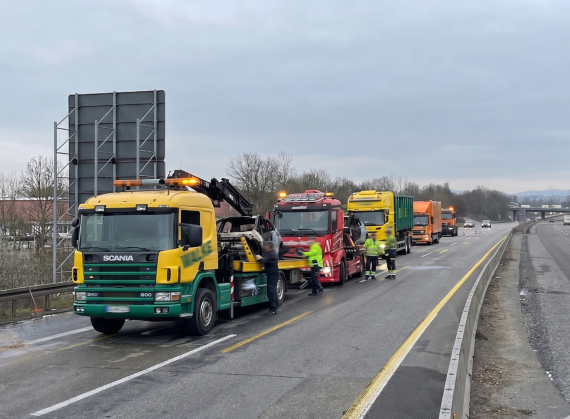 Truck Breakdown and Heavy Recovery in Germany: How Fleet Managers Can Control Towing, Recovery and Costs
 A truck breakdown in Germany is rarely just a technical problem. For fleet managers and dispatchers, it immediately creates a…
Read more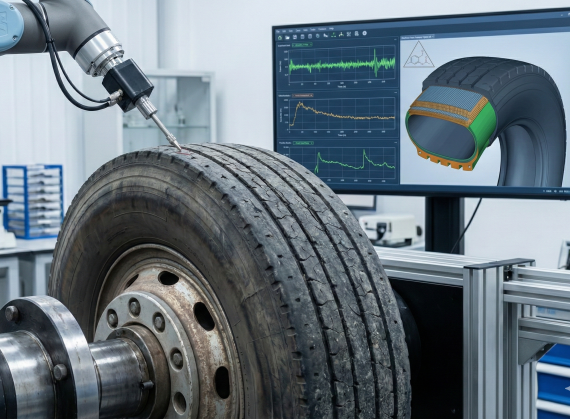 Thermodynamics and tribology of tyre aging: mechanisms of heat generation and structural degradation
 1. Introduction: the tyre as a thermodynamic systemA pneumatic tyre is a sophisticated composite structure designed to operate under extreme…
Read more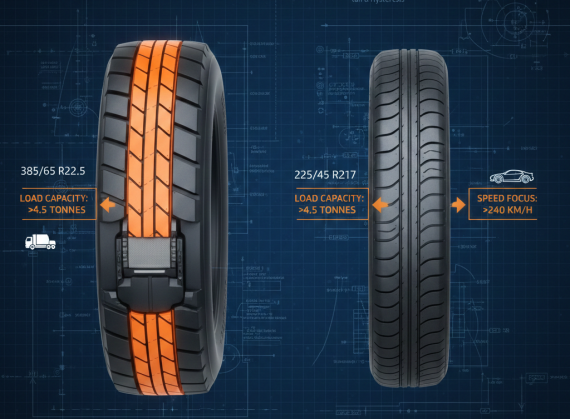 Truck vs Passenger Tyres: Structural Differences, Production Logic, and Regulatory Framework
 Physico-Chemical Foundation: the process mechanismthe operation of any pneumatic tyre is based on the phenomenon of hysteresis, which is a…
Read more