

How the Increase in Truck Service Costs Affects Freight Prices in Europe in 2024





This article compiles current information on how the costs of maintaining trucks impact shipping costs and what changes in 2024 in Germany could lead to an increase in these expenses.
Impact of Truck Service Costs on Freight Prices in Europe 2024
The direct link between freight costs and the expenses for repair and maintenance of commercial vehicles is incontrovertible. In Europe's evolving economic and financial climate, fluctuations in the costs for repair and maintenance work have a significant impact on freight pricing. Companies face the challenge of adjusting their freight rates as the costs for maintaining heavy-duty vehicles, including trucks, trailers, and buses, rise.
Factors Influencing Maintenance and Repair Costs
The financial expenses for the maintenance and repair of commercial vehicles, including trucks, trailers, and buses, are influenced by a range of factors associated with the pricing of truck service services in Germany, including:
- Fuel costs,
- Maintenance and repair expenses,
- Vehicle depreciation,
- Insurance costs,
- Taxes,
- Wages,
- Supply and demand.
Economic and political conditions, such as inflation and political stability, as well as seasonal fluctuations, also have an effect.
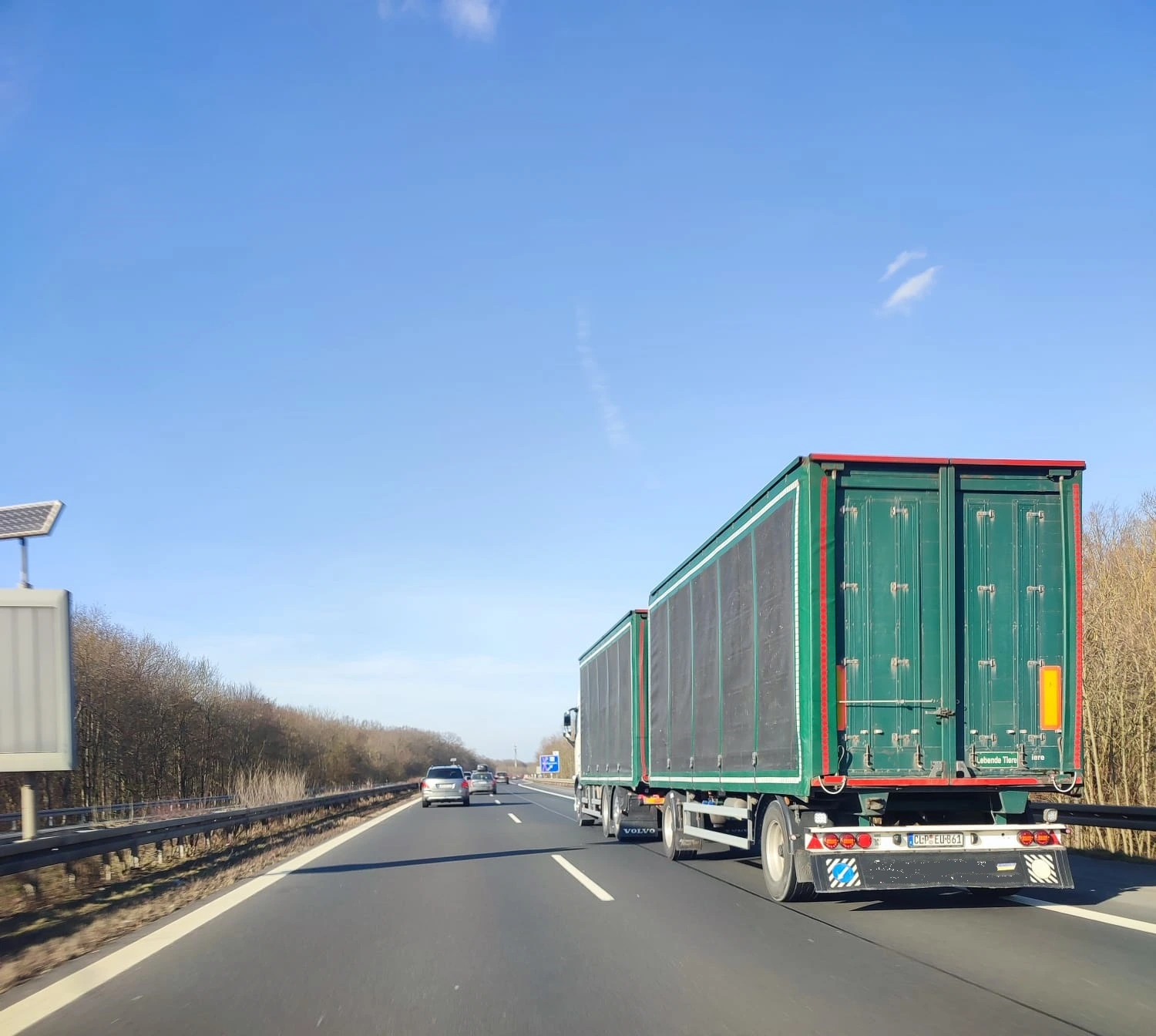
Are there seasonal fluctuations in the demand for truck repairs?
Yes, there are seasonal fluctuations in the demand for certain repair services.
Winter time:
In winter, the need for services such as truck towing increases due to a rise in accidents and breakdowns caused by low temperatures, as well as due to an increased risk of getting stuck in snow, mud, or sliding into a ditch, requiring the use of a towing service.
The demand for the repair of heating systems also increases.
Summer time:
In summer, the demand for tire service increases due to high asphalt temperatures, greater mileage, and tire wear, increased need for maintenance of air conditioning and cooling systems.
The demand for repair services for trucks indeed experiences seasonal fluctuations, but it cannot be claimed that this has a significant impact on the repair and maintenance costs. Global economic factors have a greater influence on the pricing of truck service in Germany.
How are prices for truck services formed in Germany?
The pricing for truck service services in Germany depends on many factors, which can be divided into several key categories and which influence the prices to varying degrees:
- Fuel costs: Particularly important for mobile service, as they are included in the cost of traveling to the breakdown location.
- Maintenance and repair costs: Companies often perform maintenance of their fleet themselves, saving costs for external specialists.
- Vehicle depreciation
- Insurance: Various types of insurance that cover risks associated with the services offered.
- Taxes and fees
- Wage costs for drivers, dispatchers, mechanics, and other employees.
- Supply and demand: Seasonal fluctuations in the demand for services from truck workshops in Germany typically do not lead to a change in prices for services.
- Economic and political factors: The general economic situation, inflation, political stability, and regulatory changes in Germany and Europe have a significant influence on the pricing in the truck service sector.
- Quality and additional services: The service standard and additional services such as urgency, real-time work tracking, etc., also influence the price.
Understanding these factors helps companies optimize their operating costs and design competitive prices for their services.
Trends that will affect the cost of truck service in Germany in 2024
- Starting from January 1, 2024, the legally established minimum wage in Germany will be raised to 12.41 euros gross per working hour. This represents an increase of 41 cents gross. This will accordingly lead to an increase in industry-specific minimum wages.
- Price increase for gas: From March 1, 2024, gas prices in Germany will rise again. The government is increasing the VAT on gas from 7% to 19%, returning it to the rate before the energy crisis.
- Increase in CO2 tax: The CO2 tax will increase by 50%, from 30 to 45 euros per ton, leading to higher gasoline and gas costs for consumers, as the government aims to accelerate the transition to renewable energies.
- From December 1, 2023, the CO2 emission class becomes a new tariff feature. A CO2 emission surcharge will be levied, leading to a change in toll tariffs.
- From January 1, 2024, vehicles powered by natural gas (CNG/LNG) will be subject to toll charges.
- From July 1, 2024, vehicles whose technically permissible total weight exceeds 3.5 tons will be subject to tolls.
Increasing Efficiency Through Targeted Measures
To counteract rising costs, transport companies are implementing a range of measures to increase efficiency. Preventive maintenance and the use of the latest technologies for vehicle diagnostics play a central role. This allows potential problems to be identified and rectified early before they lead to costly failures.
One way to save on unexpected breakdowns and repairs of trucks, buses, and other heavy-duty technology is to turn to companies that offer comprehensive technical emergency assistance services for commercial vehicles. By collaborating with service providers like MT onroad, which offer a wide range of emergency services, companies can reduce costs.

Useful info updates via Telegram Subscribe to the Telegram Bot and get:
- Current news about the traffic situation in Germany
- Emergency help for your truck - just send HELP to the bot
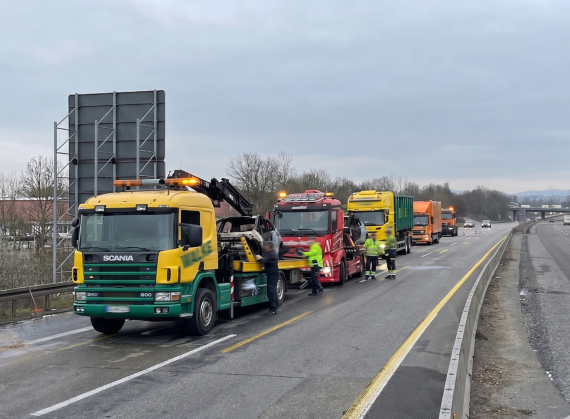 Truck Breakdown and Heavy Recovery in Germany: How Fleet Managers Can Control Towing, Recovery and Costs
 A truck breakdown in Germany is rarely just a technical problem. For fleet managers and dispatchers, it immediately creates a…
Read more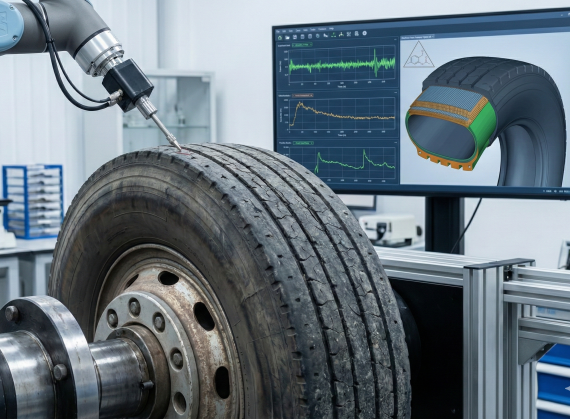 Thermodynamics and tribology of tyre aging: mechanisms of heat generation and structural degradation
 1. Introduction: the tyre as a thermodynamic systemA pneumatic tyre is a sophisticated composite structure designed to operate under extreme…
Read more Truck vs Passenger Tyres: Structural Differences, Production Logic, and Regulatory Framework
 Physico-Chemical Foundation: the process mechanismthe operation of any pneumatic tyre is based on the phenomenon of hysteresis, which is a…
Read more